

AI Coach.Your Personal Mentor
Get objective feedback on every line you pull. The coach analyses technique, consistency, and depth, then hands you the one drill that closes the gap.
Personalised insights
Feedback written against your history, not a generic rubric. It knows what you fixed last week.
Track and compare
Every review is stored and diffed, so you can see the exact session a habit broke or a skill locked in.
Mentorship, not grading
A score with no instruction is useless. Every flagged issue arrives with the drill that corrects it.
A real review, Thursday session
Overall Score
Good progress
Training Streak
12
Days
- S
- M
- T
- W
- T
- F
- S
Five sessions completed this week, today outstanding.
Next Milestone
Complete 20 more shading exercises to unlock Level 13.
Skill Breakdown
Last 7 days- Line consistency81
- Smoothness72
- Start / stop control67
- Packing61
- Curves76
- Symmetry83
- Shading71
- Depth control65
Progress Over Time
Overall score by week. Sample artist data.
AI Feedback
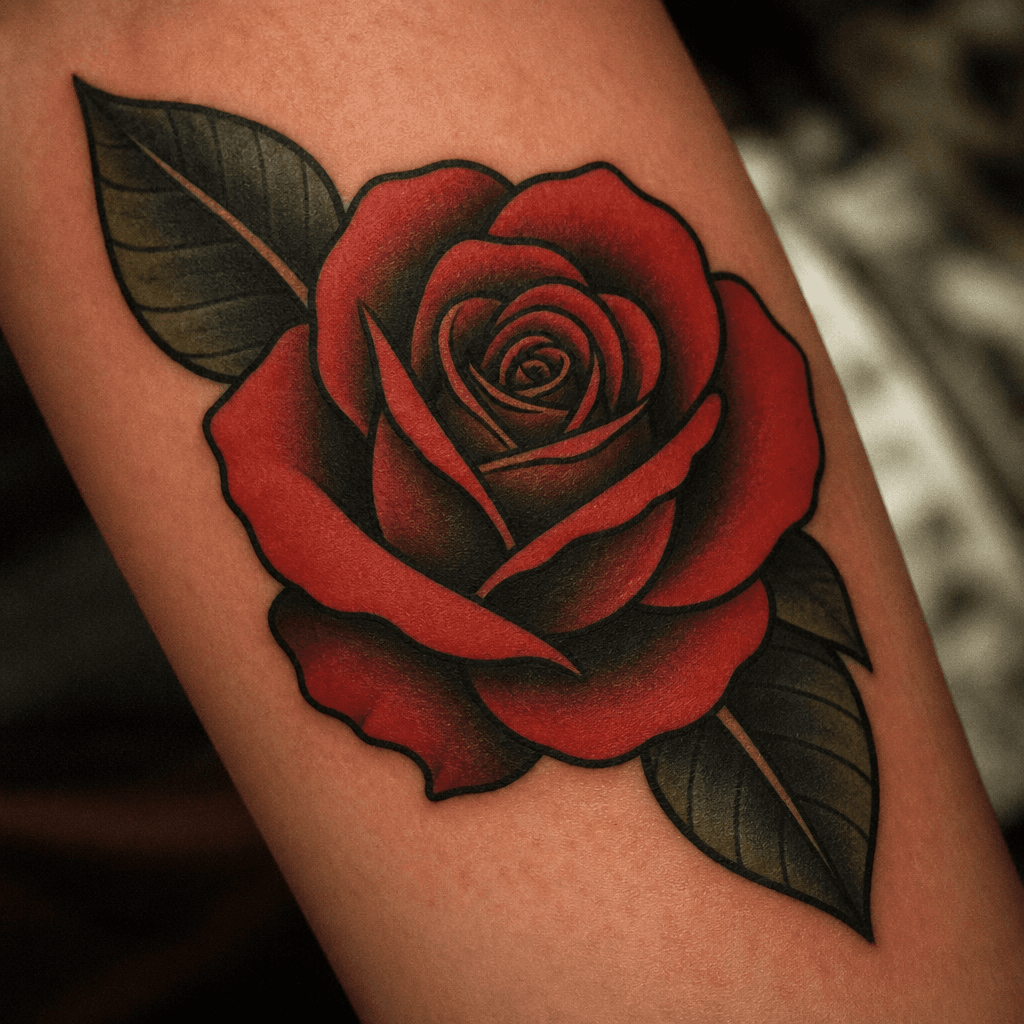
You are making strong progress. Focus on smoother starts and holding consistent depth through curves.
Key Feedback
Great line weight
Consistent pressure through long pulls.
Slight wobble detected
Slow your hand entry on the outer curves.
Depth variation
Two passes sit shallow on the lower petal.
Suggested Drill
Curve Control Drill
8 minutes
How a review runs
Three minutes from photograph to prescription.
- 01
You photograph the sheet
Any phone, any light. The coach normalises exposure and finds the reference stencil underneath your work.
- 02
It scores eight metrics
Your lines are compared against the stencil path and against your own last five sessions, then marked up on the image.
- 03
It prescribes the fix
Each weak metric maps to a specific drill. Tomorrow's session is rebuilt before you close the app.
How scoring works
Eight metrics, and what each one actually measures.
A single overall number hides everything useful. The coach reports the eight components it scores, what each is measuring, and the habit that usually causes it to drop.
| Metric | What it measures | Common cause when it drops |
|---|---|---|
| Line consistency | Variance in line width along a single pull. | Pressure drifting as your hand travels, or voltage set too low. |
| Smoothness | Deviation from the intended path, in millimetres. | Moving too slowly, gripping too tightly, or no wrist anchor. |
| Start / stop control | Entry and exit artefacts at both ends of every line. | Machine on before contact, or dragging out of the skin. |
| Packing | Coverage uniformity and gap distribution in solid black. | Overlap pattern too wide, or working an area past saturation. |
| Curves | Radius stability through a direction change. | Rotating the machine instead of moving the whole forearm. |
| Symmetry | Left against right deviation, compared to the stencil. | Working from one side only, or a transfer that shifted. |
| Shading | Gradient smoothness and visible banding between passes. | Inconsistent pendulum rhythm or skipping a mid-tone pass. |
| Depth control | Inferred needle depth variation from line character. | Hand pressure substituting for correct needle hang. |
Straight answers
What the coach will not do.
A training product that overpromises gets people hurt. These limits are permanent and they are the reason the rest of the scoring is worth trusting.
- 01
It will not certify you, licence you, or tell you that you are ready to tattoo a person.
- 02
It scores work on synthetic practice skin. Human skin behaves differently and needs supervised, in-person training.
- 03
It reads line quality from a photograph. It cannot see how deep you actually went, only what the line reveals.
- 04
It will not flatter you. Scores move slowly on purpose, because real consistency takes weeks.
Find Out WhatYour Lines Are Worth
Upload one practice sheet and get the full eight-metric breakdown, marked up on your own photo, with the drill that fixes the weakest one.
No card. No spam. Waitlist members get founding pricing and first access.
Track Your Progress